
Before You Break Out or Excavate Concrete on a Mitchell Industrial Block
You've decided to break out an old slab, pull up a driveway crossing or dig for new footings on your block. Before the first saw cut, a few checks are worth sorting out. Some are much easier to deal with now than after work has started.
- 15+ yrsCanberra-based
- Free quotesNo obligation
- LicensedACT & NSW
Home » Before You Break Out or Excavate Concrete on a Mitchell Industrial Block
- October 7, 2026
- Sam Smith
- Concrete Maintenance & Tips
This guide is for lessees and property managers planning additions, alterations or rework on an established industrial block in Mitchell. The draft Gungahlin District Strategy aims to protect the suburb's role as an urban services area.
ACT government instruments have named some blocks in the suburb on the contaminated sites register. Entries are added and removed over time, so a past listing doesn't tell you where a block stands today.
Below, we walk through the planning steps in order:
- checking the block's register status
- what one documented approval required
- where soil and spoil will go
- verge and driveway crossing approvals
- a short pre-works checklist
For specific legal or environmental questions, start with the EPA, an environmental consultant or an auditor.
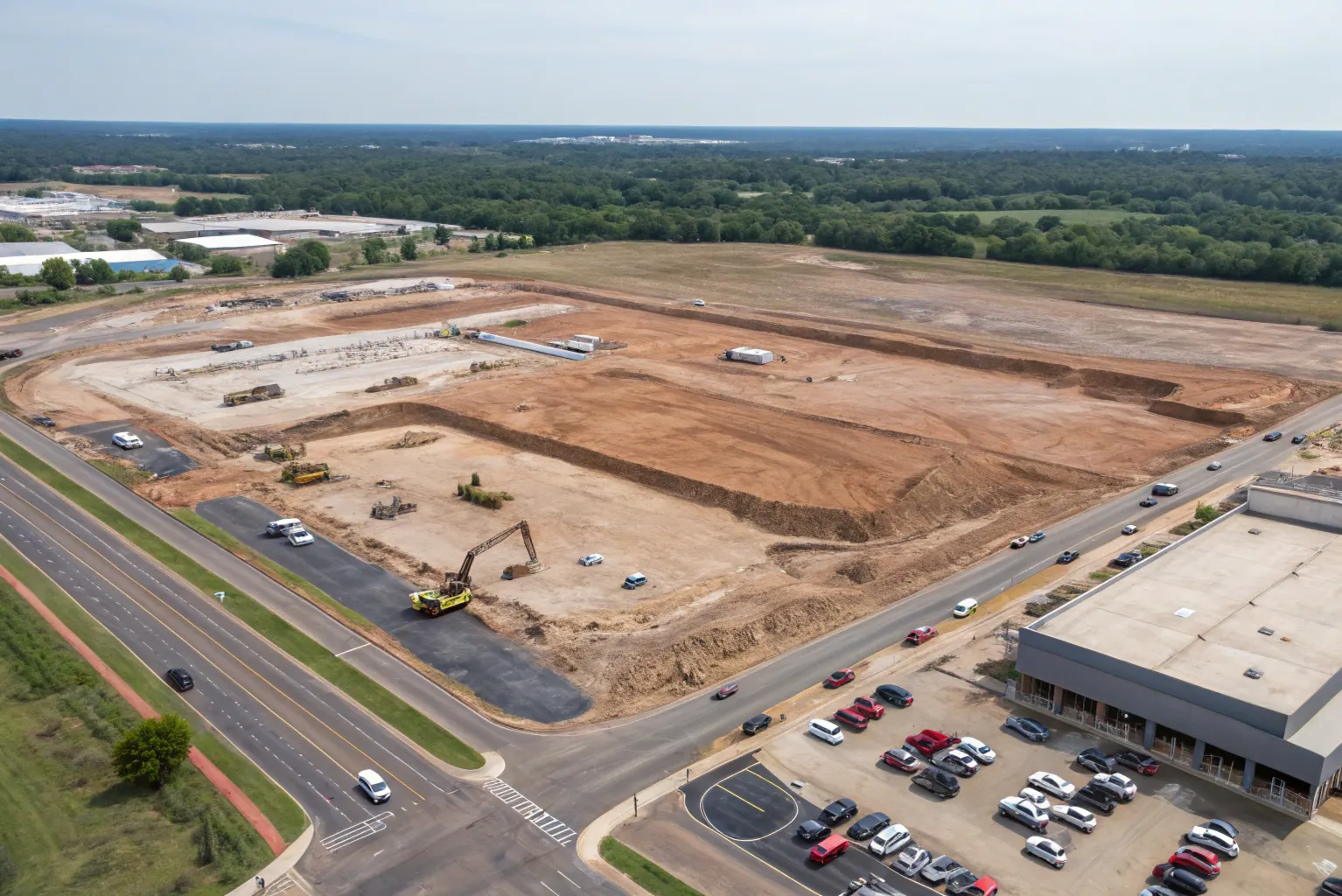
What should you check before breaking out or excavating concrete on a Mitchell industrial block?
Before work starts, check four things:
- Register status. Confirm the block's current status on the ACT register of contaminated sites, which is held by the EPA and Access Canberra. Past entries for Mitchell blocks don't tell you today's status.
- Assessment and audit. If the block is or has been registered, expect that assessment by a qualified environmental consultant and an independent audit may be required. One documented Mitchell approval required both.
- Soil. Plan where excavated soil will go. EPA Information Sheet 4 sets out ACT procedures for assessing potentially contaminated soil for reuse and disposal.
- The verge. Check whether works or material storage will use the verge. Verge works and driveway crossings need Territory approval, including Design Acceptance.
For advice on your own block, speak with the EPA, an environmental consultant or an auditor.
Start with the block's contaminated-site register status
The first planning step is finding out whether your block is on the ACT register of contaminated sites. Some Mitchell blocks have appeared in government instruments that deal with the register.
In 2017, an approval was given to remove underground fuel tanks at Block 2 Section 16 Mitchell (9 Sandford Street). That proposal was assessed in the impact track because the block was on the register of contaminated sites under the Environment Protection Act 1997.
Register entries also change. In 2016, the EPA added a Capital Metro audit area covering Flemington Road areas within the District of Gungahlin. In 2020, the EPA removed a Mitchell entry, Block 56 Section 18, from the register.
Together, these show that entries are added and removed over time. A listing you saw years ago, or the lack of one, doesn't tell you a block's status today. Current register status is held by the EPA and Access Canberra, so check with them before work begins.
Past register entries are historical. Check current status before work starts.
What one Mitchell approval required (a documented example)
The 2017 approval for removing fuel tanks at Block 2 Section 16 Mitchell came with conditions. They give a real picture of what can attach to demolition and excavation on a registered block.
These were conditions on one documented approval. They show how the ACT framework was applied in that case. They are not a rule for every Mitchell block or every project.
| Condition in the 2017 Mitchell approval | What it means for planning |
|---|---|
| Site and off-site assessment and remediation by a qualified environmental consultant | A qualified environmental consultant assessed and remediated the site, both on the block and beyond it. |
| Independent audit by an EPA-approved contaminated land auditor | An independent auditor, approved by the EPA, checked the consultant's work. |
| Sediment and leachate controls on stockpiles to keep contaminants out of stormwater | Stockpiled material needed controls so contaminants did not reach stormwater. |
| Dust and odour suppression to protect surrounding blocks | Dust and odour had to be kept down to protect neighbouring blocks. |
| Soil leaving the site had to meet EPA Information Sheet 4, using appropriately licensed contractors for hazardous materials | Soil taken off site had to meet Information Sheet 4, and hazardous materials were handled by appropriately licensed contractors. |
| Work had to comply with the Environment Protection Guidelines for Construction and Land Development in the ACT (March 2011) | The works had to follow these named ACT guidelines. |
If your block is or has been on the register, these conditions are a useful starting point for questions to raise with the EPA or an environmental consultant.
Plan where broken concrete and excavated soil will go
Breaking out, removing and excavating concrete is the stage where soil gets disturbed and spoil leaves the site. That makes it worth planning for before work starts, not after the first loads are ready to go.
In the ACT, the EPA's information sheet on reusing and disposing of contaminated soil (Information Sheet 4) sets out procedures for assessing potentially contaminated soil for reuse and disposal.
In the documented 2017 Mitchell approval, soil leaving the site had to meet Information Sheet 4. That work used appropriately licensed contractors for hazardous materials.
Information Sheet 4 is the place to check the requirements for your own site. If you're unsure how it applies to your block, raise it with the EPA or an environmental consultant early in your planning.
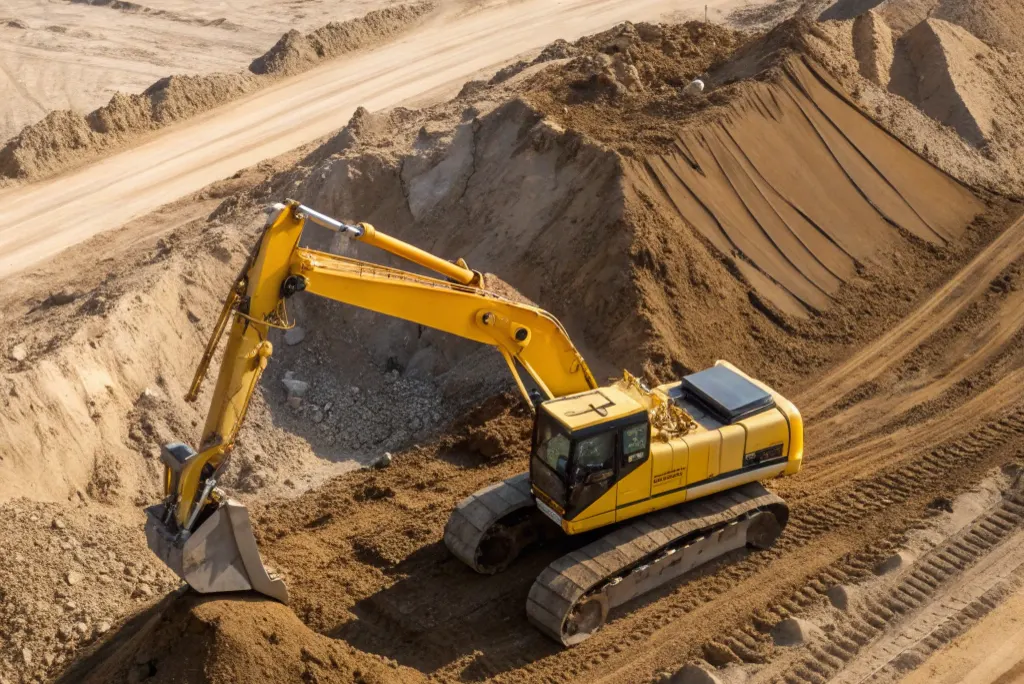
Works on the verge and replacing driveway crossings
If your plans touch the verge, there's another approval step to allow for.
In the 2017 Mitchell approval, verges and other unleased Territory land could not be used for works without prior Territory approval. That included storing materials or waste. Works there, such as driveway verge crossings, needed design acceptance and operational acceptance certificates.
For industrial driveways, City Services explains the driveway application process. Industrial driveways are assessed through a Design Acceptance submission, which normally follows a Development Application. TCCS requests Design Acceptance for off-site works, including driveways, under the approved Notice of Decision.
In simple terms, the steps run in this order:
- Development Application (DA) and Notice of Decision
- Design Acceptance for the driveway or verge works
- The works
- Operational Acceptance
Once your site checks and approvals are in hand, we can talk you through the commercial concrete reinstatement for your Mitchell site.
A pre-works checklist for Mitchell lessees and property managers
Use this list to plan the checks and approvals before any concrete is broken out or ground is excavated.
- Confirm current register status with the EPA and Access Canberra. Past entries don't tell you today's status.
- Involve a qualified environmental consultant if the block is or was registered, and allow for the chance that an EPA-approved auditor may be required.
- Plan soil reuse or disposal against EPA Information Sheet 4.
- Plan stockpile, sediment and dust controls where approval conditions require them.
- Check whether works, storage or the driveway crossing touch the verge, and allow for Design Acceptance through TCCS.
- Take specific legal and environmental questions to the EPA, an environmental consultant or an auditor.
Start with the EPA or a consultant on anything environmental. When you're ready to plan the concrete itself, get in touch to discuss commercial concrete work on your Mitchell site. For projects elsewhere in Canberra, see our commercial concrete services.

Ready to start your concrete project?
Get a free, no-obligation quote from your local Canberra concreting team.