
Professional Demolition Contractor Services in Canberra
What sets us apart as a demolition contractor in Canberra is our comprehensive approach. We handle all the permits, coordinate with local authorities, manage environmental compliance, and clean up completely. You won’t find concrete chunks hidden in your garden beds or utility lines accidentally severed because we cut corners. Every project starts with careful planning and ends with your property ready for the next phase.
- 15+ yrsCanberra-based
- Free quotesNo obligation
- LicensedACT & NSW
Serving All of Canberra and ACT
From our base in Canberra, we serve the entire ACT region, bringing professional demolition expertise to residential properties in established suburbs like Yarralumla and Forrest, growing communities in Molonglo Valley, and commercial developments throughout the territory. When you need concrete removed safely and efficiently, we’re the demolition contractor Canberra property owners trust to do it properly.
Our team has been serving Canberra homeowners and commercial property owners for many years, handling everything from delicate driveway removal in heritage areas like Red Hill to large-scale commercial demolition projects in Gungahlin. We understand that demolition isn’t just about tearing things down – it’s about preparing your space for what comes next, whether that’s a stunning new entertainment area or a complete property redevelopment.
Complete Demolition Services
Residential Demolition
From small backyard jobs to full-scale removals, we handle all types of residential concrete demolition. This includes driveway removal, patio and slab demolition, walkways, pool backfill, old foundations, retaining walls, and entrance steps.
Each service is carried out with utility coordination, dust control, neighbor notification, and thorough debris removal. We focus on protecting landscaping, preventing drainage issues, and minimizing disruption to your daily routine.
Commercial Demolition
Our team specializes in large-scale, complex demolitions such as multi-story buildings, industrial facilities, warehouses, parking structures, and municipal infrastructure. We coordinate with engineers, environmental consultants, utility companies, and local authorities to ensure safe execution. Services include full building removals, warehouse floor stripping, site clearing, selective demolition, and hazardous material coordination. We manage traffic control, environmental assessments, and regulatory requirements to keep projects safe, compliant, and community-friendly.
Specialized Demolition
For projects requiring extra precision, we provide advanced methods like diamond blade cutting for vibration-free removal, hydraulic breaking for noise-sensitive sites, and hand demolition for delicate or restricted areas.
We also handle underground structure removal, contaminated concrete disposal, historic structure demolition, and partial structure removal. Our 24/7 emergency demolition response ensures unsafe or storm-damaged structures are quickly and safely removed.
Why Choose Professional Demolition Services
Safety & Regulatory Compliance
Professional demolition prevents dangerous mistakes—like striking unmarked utilities, which can lead to costly damage and community disruption. Licensed contractors carry full insurance coverage, worker’s compensation, and follow strict ACT safety standards. They handle permit acquisition, risk assessments, safety plans, and regulatory coordination, protecting clients from legal issues. Their coordination with local councils, certifiers, and utility companies ensures safe operations without unexpected outages or hazards.
Professional Equipment & Expertise
Advanced machinery such as heavy-duty excavators, hydraulic breakers, and diamond blade concrete cutters allow precision removal without damaging nearby structures. Professionals also use dust suppression systems to meet environmental health requirements and keep neighborhoods safe. Certified operators bring years of experience, meaning faster completion, controlled demolition, and a cleaner, safer site. Quality control checks at every stage guarantee the project is done right, not just fast.
Environmental Responsibility & Efficiency
Professional contractors prioritize sustainable demolition, with concrete often recycled into road base or new construction material. This reduces landfill waste and can even lower project costs. Proper containment and disposal procedures minimize environmental risks, while efficient project management reduces noise, dust, and disruption to neighbors. Cleanup and site restoration services prepare properties immediately for the next phase—whether new construction, landscaping, or redevelopment. Transparent pricing and cost-effective planning also prevent financial surprises.
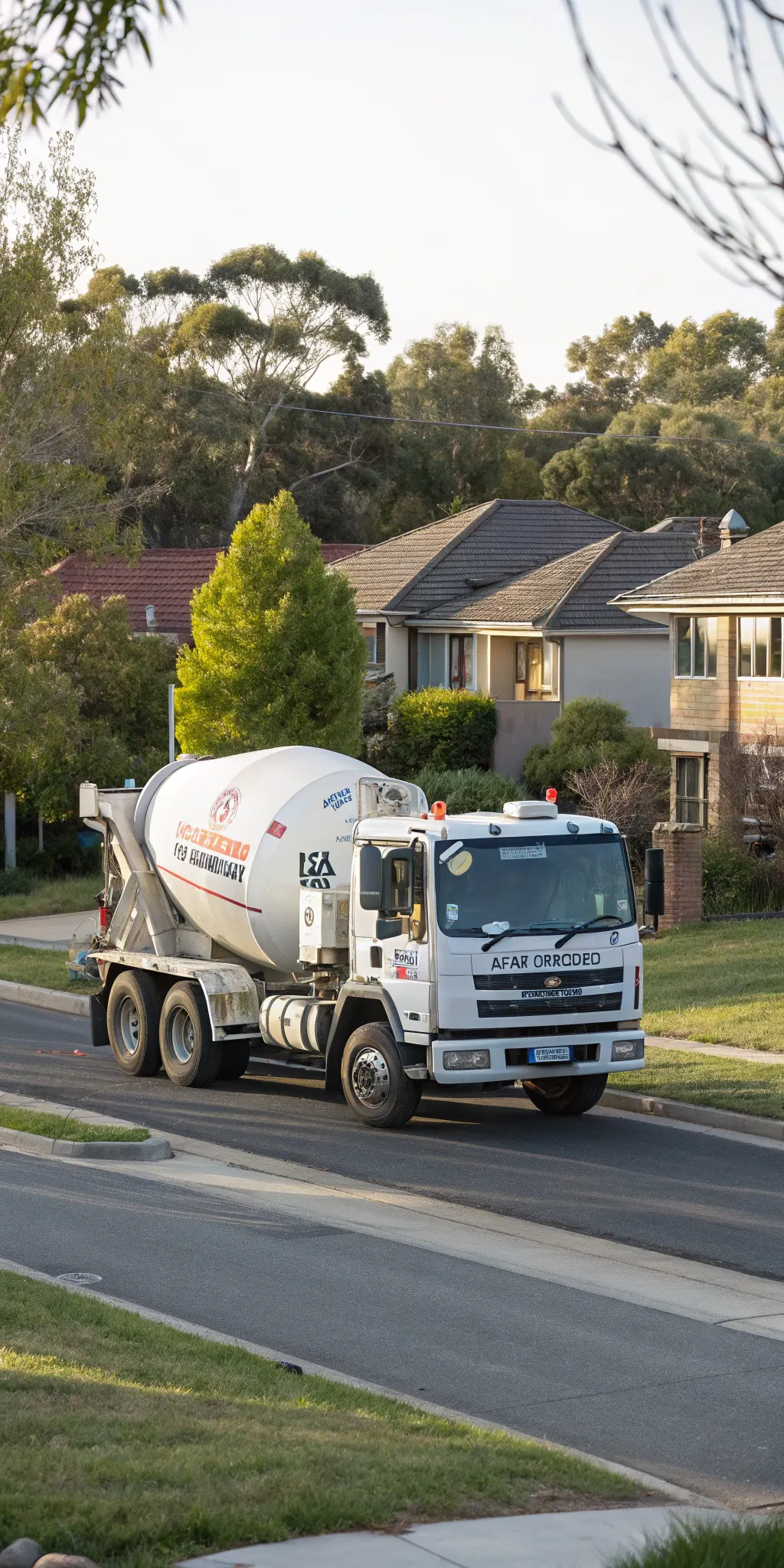
Local Canberra Demolition Expertise
Regulatory and Compliance Knowledge
Knowledge of environmental protection regulations and compliance procedures ensures proper handling of all materials. Understanding of noise control ordinances and community consideration requirements maintains neighborhood relationships. We navigate ACT bureaucracy so you can focus on your project goals.
Local Infrastructure and Logistics
Knowledge of local waste disposal facilities and concrete recycling centers optimizes disposal costs and environmental impact. Established relationships with local equipment suppliers and support services ensure reliable project execution. Understanding of traffic management requirements for different Canberra areas minimizes community disruption.
Service Coverage Areas
Comprehensive coverage throughout Canberra and surrounding ACT regions means consistent service quality everywhere. Central Canberra and established suburb demolition experience includes heritage area expertise. New development area demolition and site preparation services support growing communities.
Community Integration
Established reputation for reliable, respectful demolition services speaks to our community commitment. Professional references from local builders, developers, and property owners demonstrate consistent quality. We’re not just contractors – we’re community members committed to Canberra’s development.
Our Professional Demolition Process
- Every demolition starts with a thorough site evaluation, structural assessment, and utility coordination to prevent hazards and disruptions. We handle permits, safety planning, environmental evaluations, and detailed cost estimates, ensuring smooth approvals and transparent pricing. Integration planning aligns demolition with future construction phases.
Every demolition starts with a thorough site evaluation, structural assessment, and utility coordination to prevent hazards and disruptions. We handle permits, safety planning, environmental evaluations, and detailed cost estimates, ensuring smooth approvals and transparent pricing. Integration planning aligns demolition with future construction phases.
- Before demolition begins, we secure the site with barriers, access control, and dust suppression systems. Utilities are verified and disconnected, environmental protections are installed, and final safety inspections are completed. Neighbor communication and hazard control measures protect both the community and surrounding properties.
Before demolition begins, we secure the site with barriers, access control, and dust suppression systems. Utilities are verified and disconnected, environmental protections are installed, and final safety inspections are completed. Neighbor communication and hazard control measures protect both the community and surrounding properties.
- Demolition follows a planned sequence with strict safety protocols, dust and noise management, and real-time monitoring. Professional debris handling, recycling coordination, and continuous quality control ensure compliance, efficiency, and environmental responsibility. Operators adapt quickly to unexpected site conditions while maintaining timelines.
Demolition follows a planned sequence with strict safety protocols, dust and noise management, and real-time monitoring. Professional debris handling, recycling coordination, and continuous quality control ensure compliance, efficiency, and environmental responsibility. Operators adapt quickly to unexpected site conditions while maintaining timelines.
- Once demolition is complete, we remove all debris, recycle where possible, and grade the site for the next phase. A final inspection, full documentation, and client walkthrough confirm quality results. Site restoration, warranty coverage, and handover provide peace of mind and readiness for future development.
Once demolition is complete, we remove all debris, recycle where possible, and grade the site for the next phase. A final inspection, full documentation, and client walkthrough confirm quality results. Site restoration, warranty coverage, and handover provide peace of mind and readiness for future development.
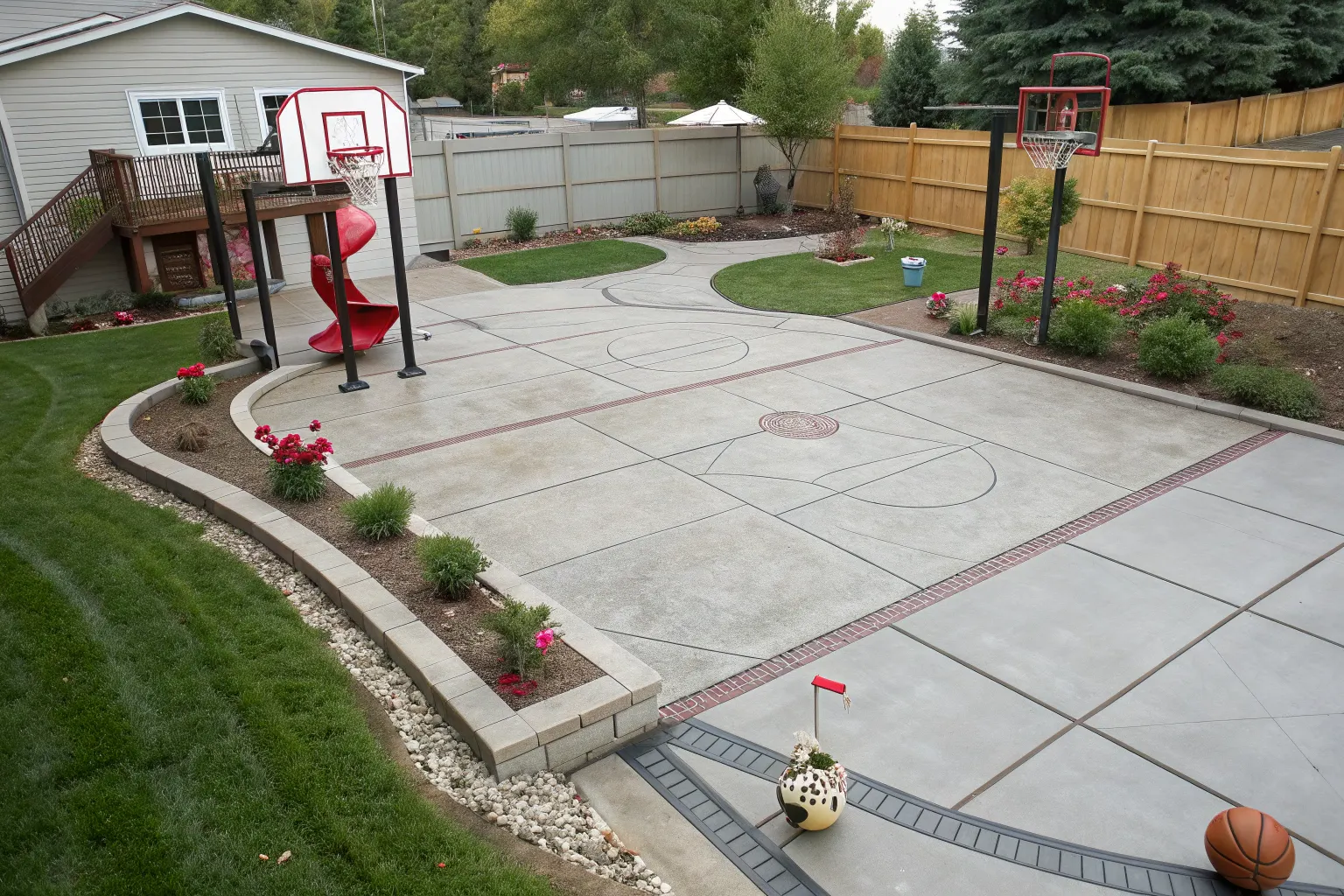
Heavy Equipment Fleet
Multiple excavator sizes handle projects from residential driveways to commercial developments. Hydraulic breaker attachments provide efficient concrete breaking for all project sizes. Skid steer loaders deliver precise work in confined spaces where larger equipment won’t fit.
Safety and Environmental Equipment
Environmental containment systems provide hazardous material protection when needed. Monitoring equipment for air quality and noise level management ensures compliance. Emergency response equipment and first aid capabilities handle unexpected situations professionally.
Project Management Capabilities
Professional project planning and scheduling software optimizes efficiency and communication. Digital documentation and progress reporting systems keep everyone informed. Quality control and inspection protocols ensure professional results throughout all demolition phases.
Frequently Asked Questions About Demolition Contractor
What are the three methods of demolition?›
Manual demolition involves hand tools and smaller equipment – perfect for heritage areas like Forrest where we need to preserve surrounding structures. Mechanical demolition uses excavators and hydraulic breakers – this is what we use for most Canberra driveways and commercial projects. Controlled demolition with explosives is rare in Canberra due to our urban density, but we coordinate with specialists when needed for large infrastructure projects.
What is the mechanical method of demolition?›
Mechanical demolition is what most Canberra property owners need. I use excavators with hydraulic breaker attachments to break up concrete efficiently. For a typical driveway in Forrest, my 8-tonne excavator can remove the entire surface in half a day, compared to a week of backbreaking manual work.
What is the manual method of demolition?›
Manual demolition means using handheld tools like jackhammers, sledgehammers, and concrete saws. I use this method frequently in Canberra’s established suburbs where access is limited or when working around delicate landscaping that affluent homeowners want to preserve.
Last month, I manually removed concrete steps from a heritage home in Deakin. The property was worth over $2 million, and the owners needed to preserve their established garden beds and heritage brickwork. Manual demolition took longer but saved thousands in landscaping restoration costs. It’s often the right choice for high-value properties where precision matters more than speed.
What are the two main types of demolition?›
The two main types I handle in Canberra are selective demolition and complete demolition. Selective demolition removes specific sections while preserving the rest – like removing just a damaged driveway section while keeping the rest intact. Complete demolition removes everything, like when we demolished that old pool in Yarralumla last year.
Most of my Canberra clients need selective demolition because they’re renovating rather than starting fresh. Property values here mean people invest in upgrades rather than complete rebuilds. Complete demolition usually happens with older homes on large blocks where the land value exceeds the building value.
What is the first step in preparing for a demolition project?›
The first step is always a comprehensive site assessment. I start by checking for utilities – Canberra’s older suburbs often have underground services that aren’t properly mapped. I use ground-penetrating radar when needed because hitting a gas line or electrical cable turns a simple driveway removal into a major incident.
Next, I evaluate access routes. Many established Canberra suburbs have narrow streets and limited parking. I need to plan equipment delivery, especially in areas like Forrest or Red Hill where street access is restricted. Finally, I check heritage overlays and development controls. Canberra has strict planning rules, and I’d rather spend time on permits upfront than deal with compliance issues later.
Do I need a section 80 demolition notice in Canberra?›
Yes, most structural demolition in Canberra requires development approval under the Planning and Development Act. You don’t need approval for minor work like removing a garden path, but driveways, slabs, and any structural elements require permits. Heritage areas have additional requirements.
I handle all permit applications for my clients because navigating ACT bureaucracy can be confusing. Processing typically takes 2-4 weeks, longer during busy periods. The cost ranges from $500 for simple residential work to several thousand for complex commercial projects. Getting permits right the first time prevents delays and potential fines.
Ready for professional demolition services in Canberra?
Call us today for your free demolition assessment and quote. Our experienced demolition contractor team is standing by to help you remove concrete safely, efficiently, and with complete environmental responsibility. Don’t risk property damage or safety hazards with amateur demolition – choose Canberra’s trusted demolition experts for results you can count on.
Reviews
What our customers say
“Grant and the team at Concreting Canberra were professional and courteous from start to finish. Our driveway looks fantastic, and their communication and cost transparency were excellent. We'll definitely call on Grant for any future concreting work.”
“Great company to deal with. Grant is an honest and reliable guy. Happy to do business with them.”
Ready to start your concrete project?
Get a free, no-obligation quote from your local Canberra concreting team.